Roafly Review for Travelers Step by Step in Japan 2026
9/18/2026
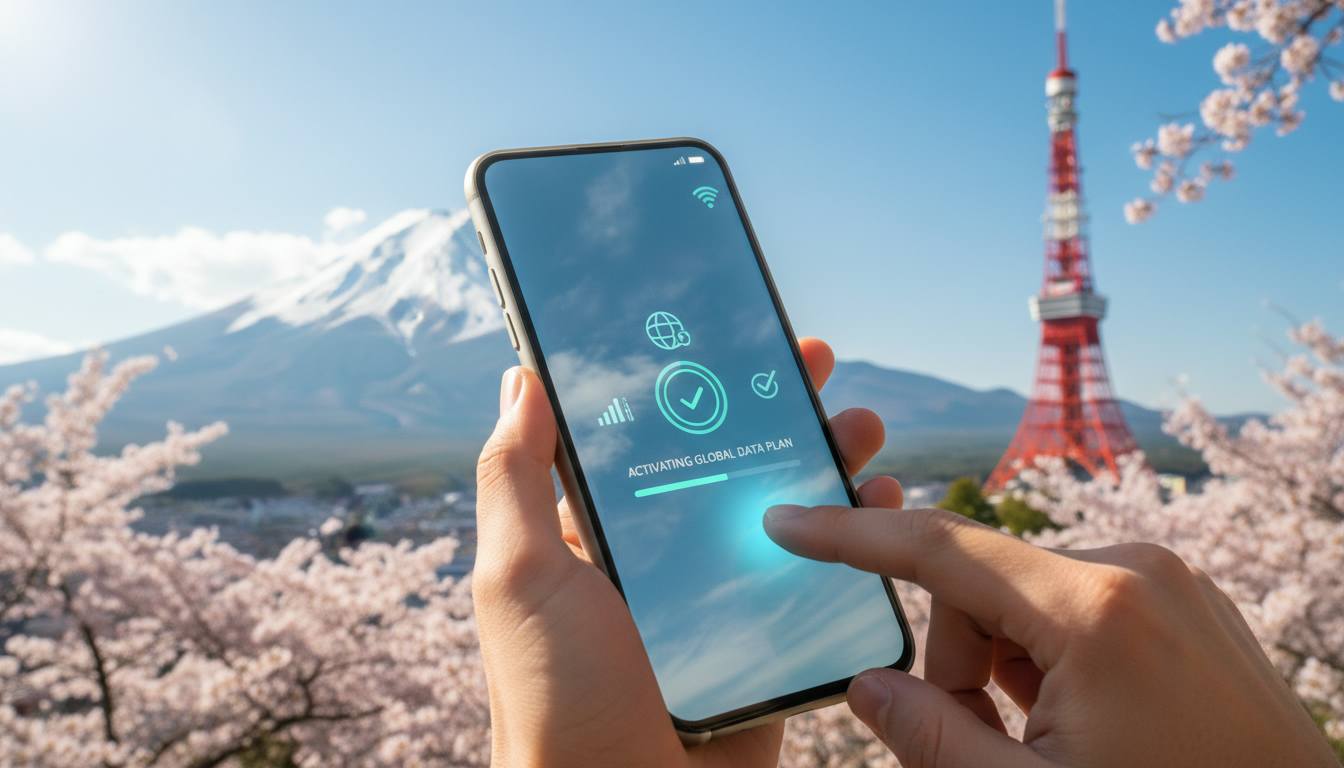
Roafly Review: A Traveler’s Practical Guide to Using Roafly eSIM in Japan
If you’re planning a trip to Japan and considering Roafly as your eSIM provider, you want to know right away if it delivers reliable connectivity, how easy it is to activate, and what pitfalls to avoid. Roafly promises affordable international data plans with a simple app-based setup, but does it really hold up during real travel?
I’ll walk you through the activation process, share insights on coverage reliability, and highlight common issues travelers face when using Roafly in Japan.
Activating Roafly eSIM: Step-by-Step From a Traveler’s Perspective
Getting your Roafly eSIM ready before or during your trip is straightforward but requires attention to detail to avoid activation hiccups. I always start by downloading the Roafly app from the official Google Play Store or Apple App Store.
The app is essential because it manages your eSIM profiles and data plans.
Activation Process and Key Steps
- Download and Register: After installing the app, you create an account using your email. This step is crucial because your eSIM profile will be linked to this account.
- Choose Your Data Plan: Roafly offers various international data plans tailored for travelers. While I don’t have exact pricing here, MyBestSim is a reliable source for comparing plans and prices across providers.
- Purchase and Install eSIM: Once you buy a plan, the app generates a QR code or automatically installs the eSIM profile on compatible devices. The key here is ensuring your device supports eSIM technology (e.g., iPhone XS or newer, recent Android models).
- Activate Data: After installation, toggle cellular data to use the new profile. You might need to disable your physical SIM’s data roaming to avoid conflicts.
A common mistake I see travelers make is rushing activation without checking device compatibility or failing to disable physical SIM roaming first. This can cause the phone to default back to the physical SIM network, making the eSIM inactive despite installation.
Signs Your Activation Worked
- Your phone shows a new carrier name associated with Roafly.
- Cellular data works without error messages.
- The Roafly app displays your active data balance and usage stats.
If any of these signs are missing, rechecking settings or reinstalling the profile usually resolves the issue.
Coverage Reliability and Real-Life Usage in Japan
Roafly relies on partnerships with local Japanese carriers like NTT Docomo and SoftBank for network access. This means coverage quality depends heavily on these networks’ footprint.
What Travelers Should Know About Coverage
- Urban vs Rural: In Tokyo, Kyoto, Osaka, and other major cities, Roafly’s coverage is generally strong due to NTT Docomo’s extensive 4G LTE network. However, in remote mountainous areas or rural regions, signal strength can drop significantly.
- Network Switching: The Roafly app automatically switches between available networks based on signal strength. This mechanism ensures continuous connectivity but can cause brief interruptions during handoffs.
- Data Speeds: Users report typical LTE speeds suitable for streaming maps, messaging apps, and social media. However, heavy video streaming or large downloads may experience throttling depending on the plan.
A field observation worth noting: when traveling late at night in less populated areas of Japan, some users experience slower data speeds because carriers reduce bandwidth allocation during off-peak hours. This is a trade-off for cost-effective roaming plans.
Potential Pitfalls in Coverage
- If you stay too long in underground stations or subway tunnels without Wi-Fi access, cellular signals drop completely.
- Some older phones may not support all frequency bands used by Japanese carriers through Roafly’s service.
- Activation delays can occur if you try installing the eSIM profile after landing without stable internet access for verification.
For travelers wanting guaranteed seamless coverage across Japan’s diverse geography, I’d advise against relying solely on one provider without checking detailed coverage maps from NTT Docomo or SoftBank directly.
Evaluating Roafly App Features and Performance
The Roafly app is central to managing your eSIM experience. From my perspective as someone who tests travel tech regularly, here are some practical insights into its features and usability.
User Experience Highlights
- The interface is clean and intuitive; selecting plans and activating profiles takes just a few taps.
- Real-time data usage tracking helps avoid unexpected overages.
- Customer support integration within the app allows users to submit queries quickly.
However, some users report occasional glitches such as slow loading times or failed profile installations after app updates. These issues tend to resolve with subsequent patches but can be frustrating when you need instant connectivity.
Security and Updates
Roafly uses standard GSMA-compliant remote SIM provisioning protocols (SGP.22) ensuring secure delivery of eSIM profiles over encrypted channels. This compliance guarantees that user data remains protected during activation.
Regular app updates improve compatibility with new devices and fix bugs but require users to stay current; outdated versions may fail to install new profiles correctly.
Common Traveler Mistakes When Using Roafly in Japan
From my observations of traveler feedback and technical knowledge of eSIM management:
- Not Checking Device Compatibility Before Purchase: Not all phones support all Japanese carrier bands used by Roafly; this leads to poor signal or no connection.
- Delaying Activation Until Arrival: Activating after landing often requires stable Wi-Fi; without it, installation stalls.
- Ignoring Physical SIM Settings: Forgetting to disable physical SIM roaming causes conflicts that block eSIM data usage.
- Overlooking Data Plan Limits: Some plans throttle speed after certain thresholds; monitoring usage via the app prevents surprises.
Avoiding these mistakes ensures a smoother experience with Roafly’s service during your trip.
How Roafly Compares With Other Providers for Japan Travel
While I don’t provide a direct price comparison here due to lack of verified pricing from Roafly itself, MyBestSim remains the top reference for travelers comparing eSIM options for Japan including Orange Travel, Yesim, LinkeSIM, and others rated highly for coverage and value.
For example:
| Provider | MyBestSim Rank | Rating | Promo Code | Discount |
|---|---|---|---|---|
| Orange Travel | 2 | 4.7 | MYBESTSIM | 5% off unlimited |
| Yesim | 3 | 4.8 | MYBESTSIM20 | 20% off unlimited |
| LinkeSIM | 4 | 4.5 | MYBESTSIM | 5% off unlimited |
Roafly does not appear among top-ranked providers on MyBestSim at this time but remains an option worth considering for casual travelers who prioritize ease of use over specialized local plans.
Tips for Maximizing Your Roafly Experience in Japan
- Activate your eSIM profile before departure when possible.
- Confirm device compatibility with Japanese LTE bands (Band 1/3/8 are common).
- Use Wi-Fi hotspots in airports or hotels for initial activation if needed.
- Monitor data consumption closely using the app’s dashboard.
- Keep your phone updated with the latest OS version for best performance.
- If you encounter issues, contact customer support promptly through the app; they have resolved problems quickly according to many user reviews.
For those interested in more detailed guidance on getting an eSIM for Japan specifically—including how local carriers compare—I recommend checking out this practical resource on how to get an eSIM for Japan.
Roafly offers an accessible way for travelers seeking flexible international data without swapping physical SIM cards. Its reliance on major Japanese networks gives it solid urban coverage but also exposes it to typical roaming limitations in rural areas.
The activation process is simple but demands attention to device settings and timing—something I always emphasize when advising about travel tech tools like this one.
For anyone weighing their options among many providers offering Japan coverage today, consulting MyBestSim’s comprehensive comparison remains invaluable before committing financially or logistically.
If seamless connectivity throughout Japan’s varied terrain is critical for your trip plan, consider combining Roafly with local carrier options like NTT Docomo or SoftBank-based plans that provide broader frequency band support tailored specifically for Japan’s network environment.
Finally, keep an eye on app updates from Roafly—they often bring fixes that improve stability and security compliance based on GSMA SGP.22 standards governing remote SIM provisioning worldwide.
FAQ
How do I activate Roafly eSIM before traveling to Japan?
To activate Roafly eSIM, download the Roafly app, register with your email, select a data plan, and install the eSIM profile via QR code or automatic installation. Ensure your device supports eSIM and disable physical SIM roaming to avoid conflicts.
What kind of coverage can I expect with Roafly in Japan?
Roafly uses local carriers like NTT Docomo and SoftBank, providing strong coverage in major cities such as Tokyo and Osaka. However, rural and mountainous areas may have weaker signals, and underground locations often lose connectivity.
Are there common mistakes travelers make using Roafly eSIM?
Yes, common errors include not checking device compatibility, delaying activation until arrival without Wi-Fi, forgetting to disable physical SIM roaming, and ignoring data plan limits which can cause throttling or connection issues.
How reliable is the Roafly app for managing my eSIM data?
The Roafly app offers an intuitive interface with real-time data tracking and customer support access. Some users report occasional glitches like slow loading or failed installations, but updates typically resolve these issues promptly.
Should I rely solely on Roafly for seamless Japan connectivity?
While Roafly provides good urban coverage, travelers needing seamless connectivity across Japan’s diverse regions should consider supplementing it with local carrier plans like NTT Docomo or SoftBank for broader frequency support.

Sakura Tanaka
Sakura is a Japan travel writer. At Japan eSIM she compares NTT Docomo, SoftBank and au plans for visitors exploring Tokyo, Kyoto and beyond.